
Samsung isn’t playing around when it comes to software updates. After the painfully slow rollout of One UI 7, the company has pulled off a major turnaround with One UI 8. The Galaxy Z Fold 7, Galaxy Z Flip 7, and Flip 7 FE were the first phones in the world to ship with Android 16 out of the box—and that’s no accident. Samsung is now following Google’s lead in how it develops Android software.
Samsung is adopting Google’s faster development model
In the past, Google relied on a branch-based model for Android development. That means each major Android version was built in a separate branch, then merged into the main codebase when complete. It worked, but not without problems—merging large chunks of new code caused bugs and delays, and sometimes even unfinished features had to be rushed in before deadlines.
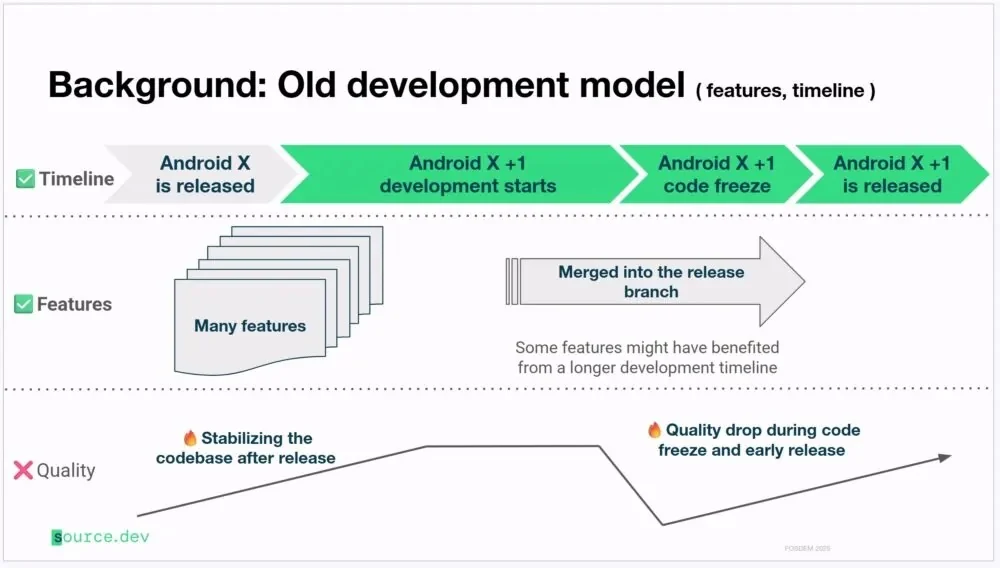
To fix that, Google moved to something called a Trunk Stable model. Instead of splitting off code into separate branches, all development now happens in a single, always-stable codebase. New features are hidden behind “feature flags,” and only appear in public builds once they’re fully ready. This approach helped Google push Android 16 a full quarter earlier than usual.
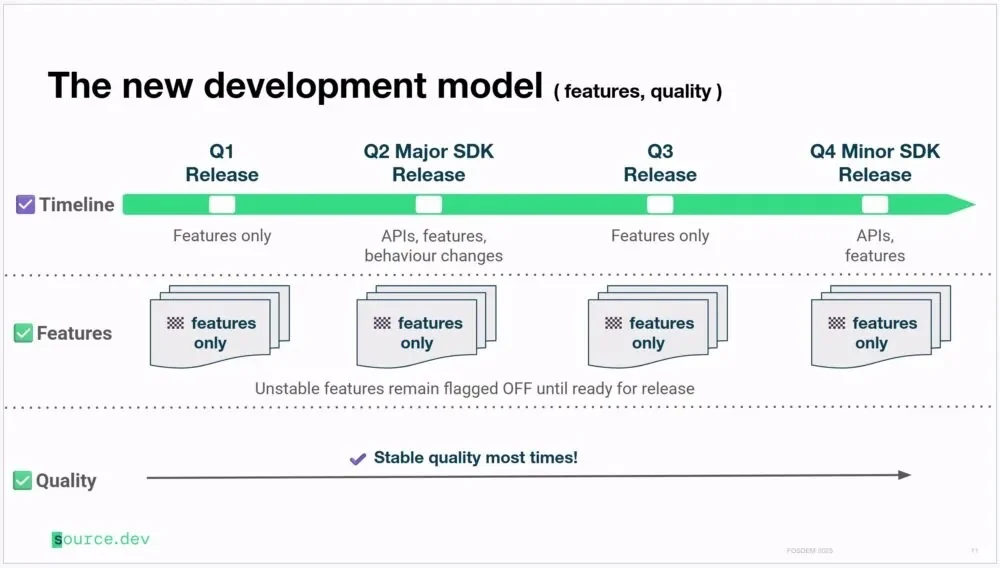
Samsung saw the results and decided to follow suit.
Also read:
1. One UI 8.0 update is coming to these Samsung devices
2. No more early One UI leaks? Samsung patches major OTA loophole
One UI 8 is just the beginning
According to Samsung’s Sally Hyesoon Jeong—Executive VP and Head of Framework R&D at the Mobile eXperience division—the company developed One UI 8 using Google’s Trunk Stable method. That’s why the rollout was so fast this time.
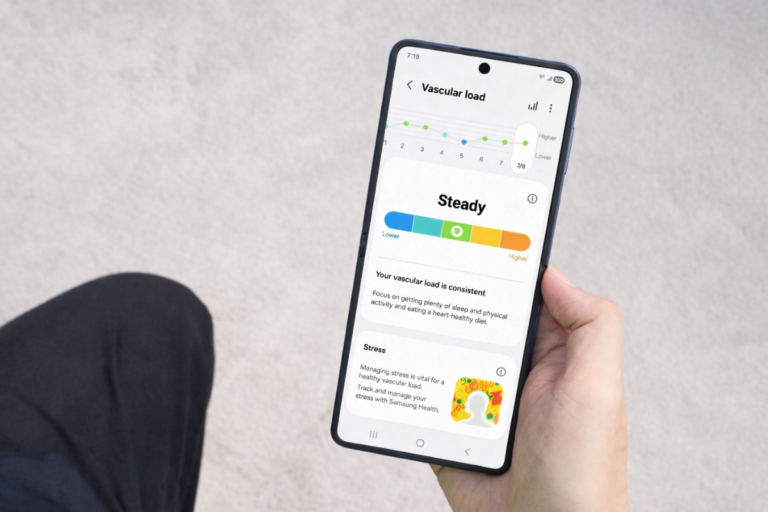
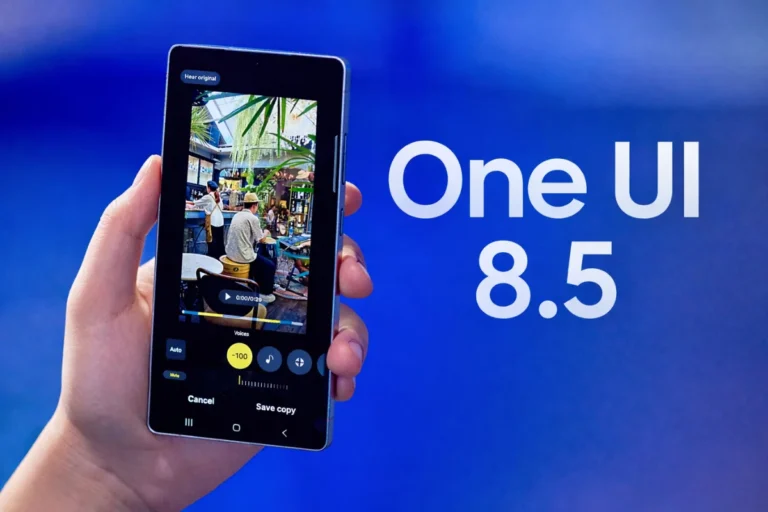
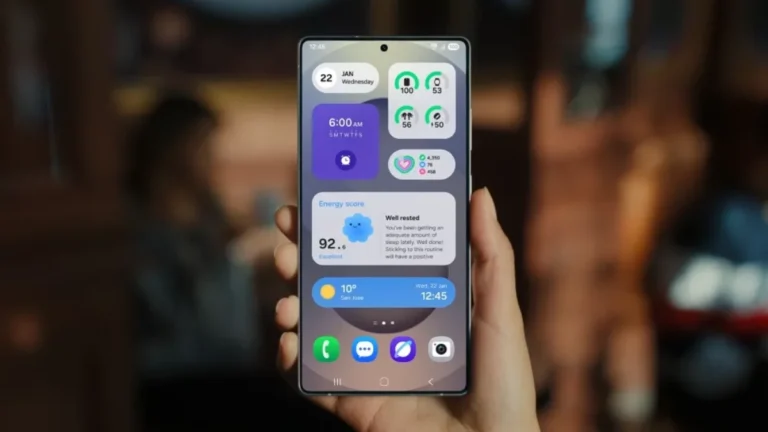
She also confirmed that Samsung’s long-term goal is to match Google’s pace when it comes to rolling out new Android versions with One UI on top. If that happens, we could see future One UI updates—like One UI 8.5 and One UI 9—arriving a lot sooner than we’re used to.
Samsung still has a way to go, but this shift shows it’s serious about closing the gap.